We are in autumnal September now; it was a perfect time for us to visit the Cotswold area last weekend, which is a place I haven’t been since I was in my early twenties. The sun shone and the sky was a light blue; the fields were decked in harvest colours and the honeyed colour of the brickwork in the small towns we visited was subtle and beautiful.
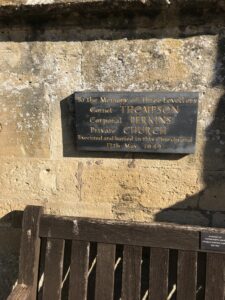
We stayed overnight in a hotel in Burford and ate there in the evening. On the Monday morning, before breakfast, I walked the dog around the quiet streets and arrived at the church of St John the Baptist, a magnificent building more reminiscent of a cathedral than a parish church. To my delight I discovered a plaque in the wall of the church, declaring the painful reality that in the Leveller revolt of 1649, three individuals had been executed in the churchyard, testimony both to the advanced egalitarian thinking that emerged in the Commonwealth period but also Cromwell’s determination to prevent further ‘chaos’ in this disruptive if short period in English history.
In truth, the Cotswold area speaks nowadays not just of vernacular and civic architectural beauty, and of a landscape superbly preserved from the blight of ‘development’ but it also speaks of wealth. Shop after shop offered artisan goods and speciality products, often at elevated prices. Although the pandemic must have deprived shop-owners and hotels of recent custom, we had a sense of an uninterrupted flow of commerce and cash down through the decades and centuries, a steady in-flow of visitors and the presence of wealthy residents who have chosen to come to this wonderful area, purchase a fine dwelling-place and settle down.
Where the four hundred year old memory of the Levellers sits in this modern narrative I do not quite know. Were the fights for equality and justice in previous eras crucial in establishing the democratic structures and standards of wealth and health enjoyed today, imperfect though though they may be, or have the values of men like the Leveller thinker Gerrard Winstanley been consigned to a historic curiosity, with all his anger directed against ‘the iron chest of cursed covetousness.’